
Blekhman Lab
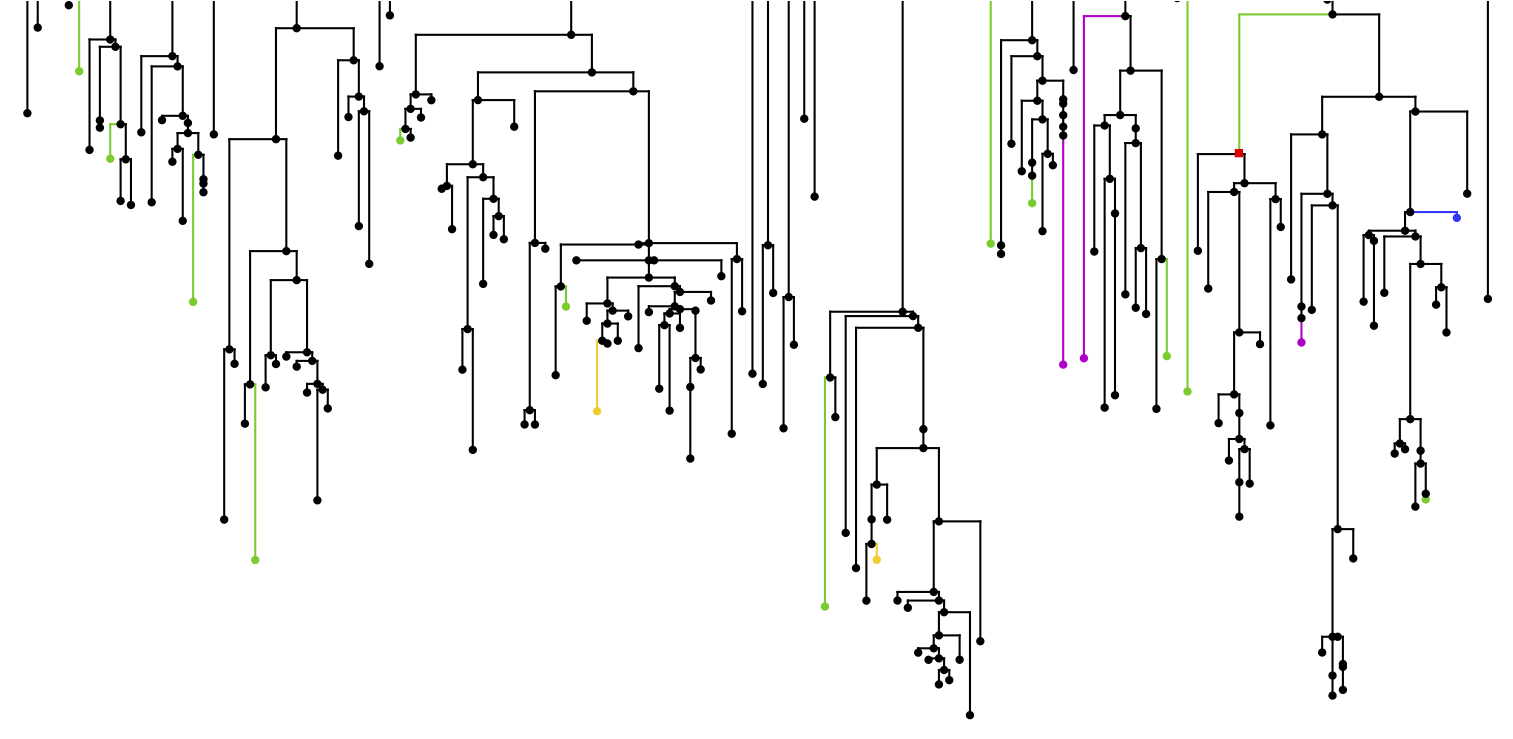
The microbial communities that colonize the human body are as varied as the people who carry them -- shaped by genetics, environment, geography, and life history. We study the genomic basis of this variation and its consequences for human health. Our lab combines large-scale sequencing, multi-omics integration, machine learning, and population genetics to ask how host genes and microbial communities interact, how these interactions change in disease, how they are transmitted across generations, and how they vary across human populations worldwide. We work across scales: from single-nucleotide variants that modify microbial colonization, to global compendia of hundreds of thousands of microbiome profiles, to experimental systems that test how microbes directly reprogram host gene expression.
How do host genetic variants shape the composition of microbial communities, and how do microbes feed back to regulate host gene expression? We develop and apply computational and machine learning approaches, including deep learning, microbiome GWAS, and multi-omics integration, to characterize the bidirectional relationship between the human genome and the microbiome, including the heritability of microbial traits and how it is modulated by environment and population context. We study these questions in both health and disease.
Representative publications:
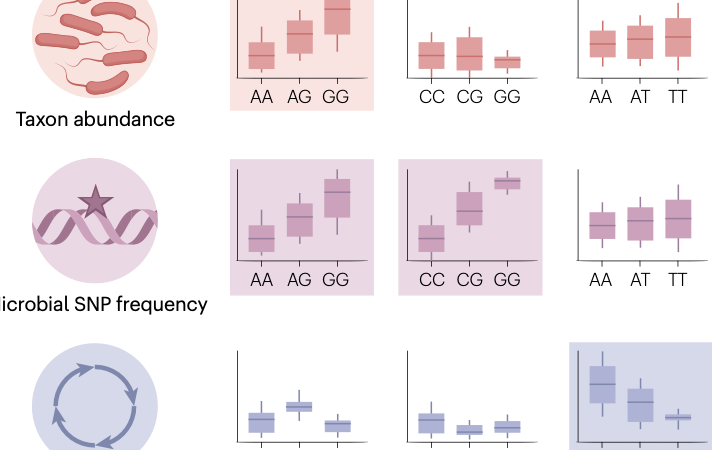
Ferretti, Johnson, Priya & Blekhman — Nature Reviews Genetics, 2026
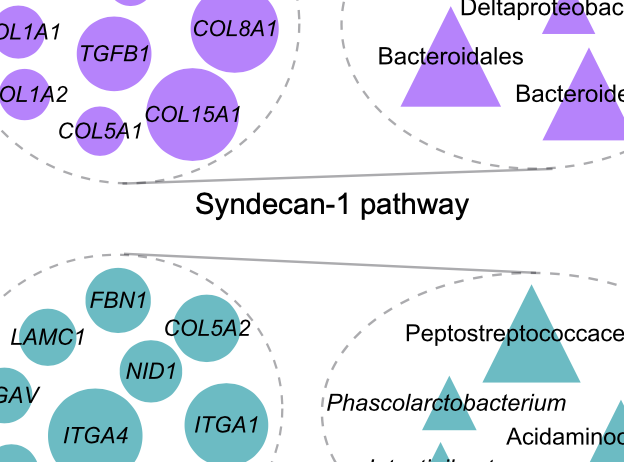
Priya et al. — Nature Microbiology, 2022
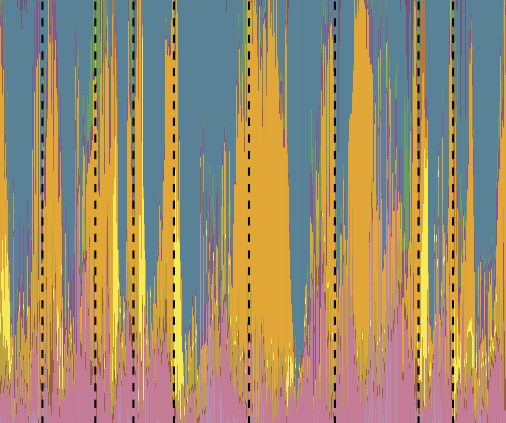
Grieneisen et al. — Science, 2021
Most microbiome research has focused on populations from North America and Europe, leaving vast gaps in our understanding of human microbiome variation. We build and analyze large-scale compendia of publicly available microbiome data from global populations, characterize technical and biological sources of variation, and work to make global microbiome research more accessible and reproducible.
Representative publications:
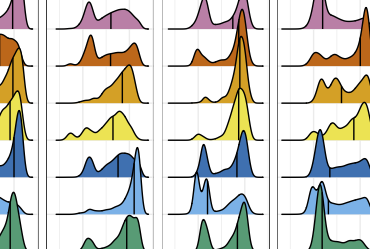
Abdill et al. — Cell, 2025
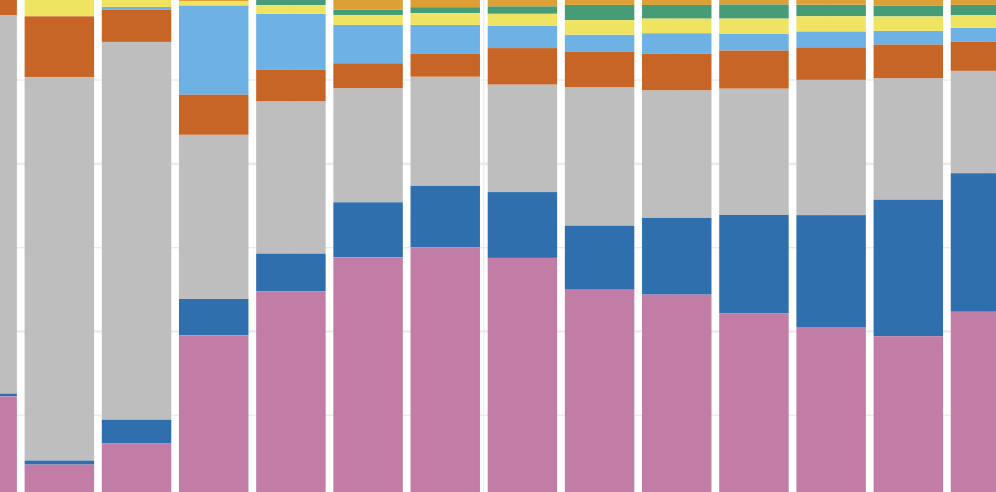
Arif et al. — Trends in Microbiology, 2025
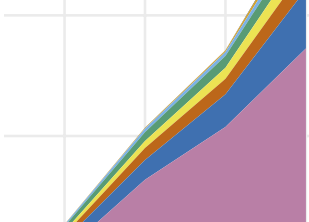
Abdill et al. — PLOS Biology, 2022
The microbiome is seeded at birth and shaped through early infancy by maternal transmission, diet, and environment. We study how human milk, with its microbiome, transcriptome, metabolome, and genetics, influences the establishment and stability of the infant gut microbiome, and how early-life microbial variation affects infant development and health.
Representative publications:
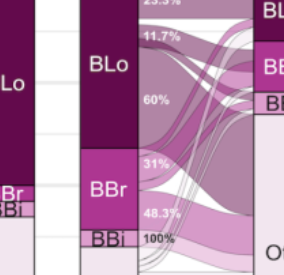
Ferretti et al. — Nature Communications, 2025
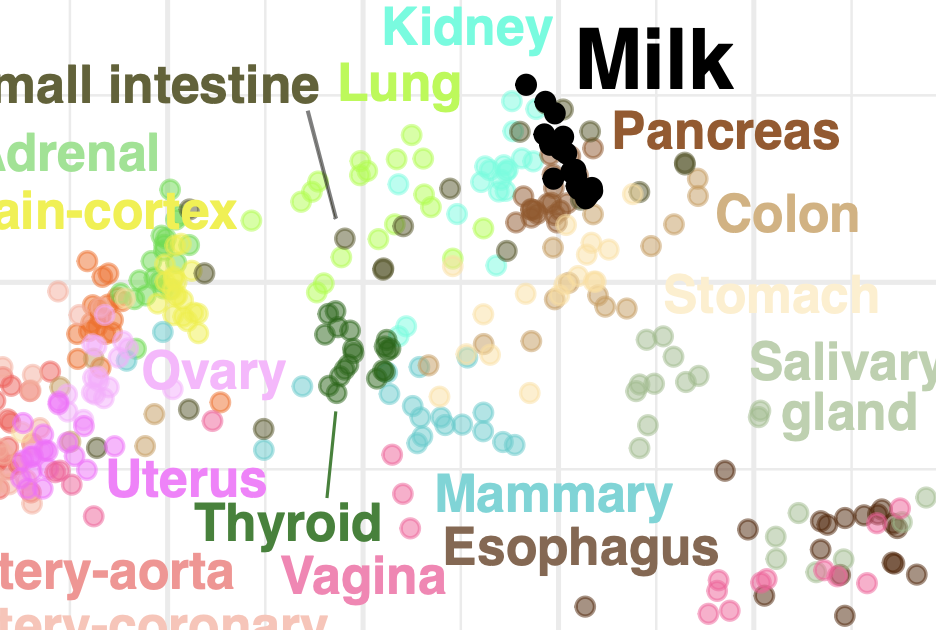
Johnson et al. — Cell Genomics, 2024
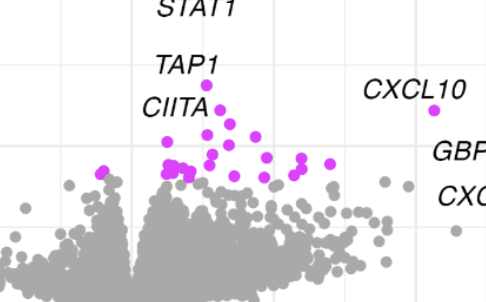
Johnson et al. — Nature Communications, 2024
Microbial communities in direct contact with host epithelial cells can reprogram host gene expression. However, establishing which taxa drive which transcriptional responses, and through what mechanisms, requires controlled experimental systems. With collaborators, we use experimental model systems, including epithelial cell cultures and organoids, to expose host cells to diverse gut microbiomes, directly quantifying how microbial variation shapes host transcriptional programs.
Representative publications:
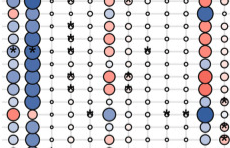
Della Libera et al. — bioRxiv, 2026
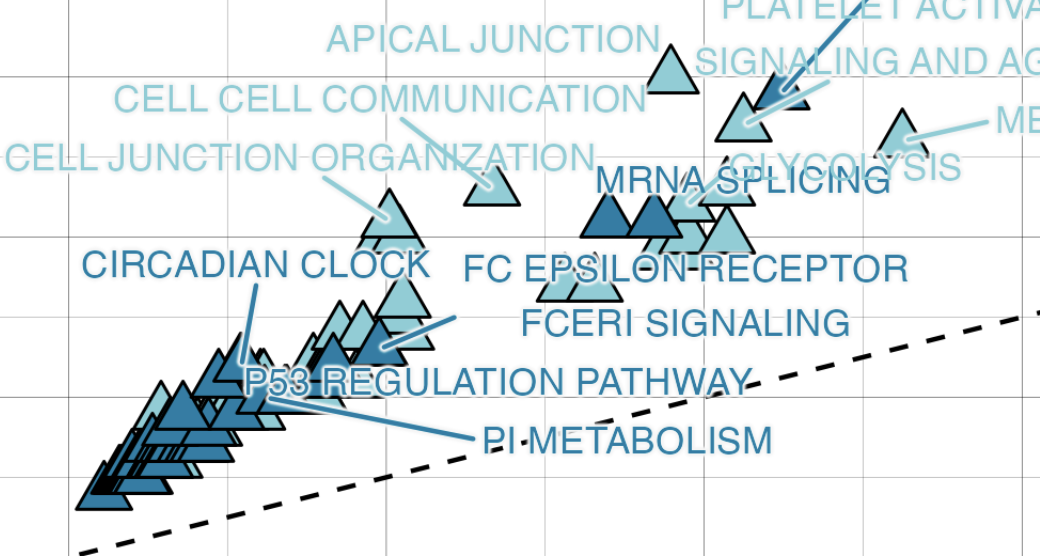
Arif et al. — bioRxiv, 2025
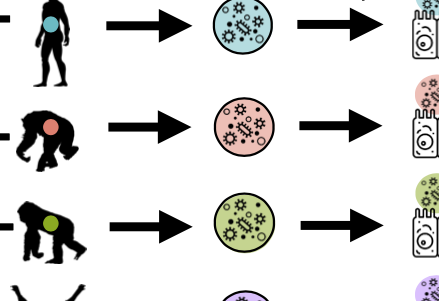
Muehlbauer et al. — Cell Reports, 2021
We are thankful to the various funding agencies and institutions that have supported our research throughout the years, including the National Institutes of Health, National Science Foundation, Alfred P. Sloan Foundation, American Cancer Society, University of Minnesota, and University of Chicago.
Our lab is currently funded through:
Population Genomics of Host-Microbiome Interactions
Milk-Omics: Systems Biology of Human Milk and Its Links to Maternal and Infant Health
Human Microbiome Compendium: large-scale curation and processing of human microbiome datasets
Center for Interdisciplinary Study of Inflammatory Intestinal Disorders